16 October 2026
Mastering Dabbing Extracts: A Guide to Honey Oil and Cannabis Concentrates
Presented by @thedabbingextractspro
Understanding the World of Dabbing Extracts
If you have spent any time around cannabis concentrates in the past few years, you have likely heard the term "dabbing extracts" mentioned with a mix of reverence and curiosity. The practice of dabbing has transformed how many experienced users approach their sessions, offering a cleaner, more potent way to experience the full range of cannabinoids and terpenes in a given plant. But not all extracts are created equal, and understanding what sets a premium product apart from something mediocre is where real expertise comes into play.
At its core, dabbing involves vaporizing a small amount of concentrate on a hot surface, typically a quartz banger or a terp slurper attached to a dab rig, and inhaling the vapor. The concentrates themselves, often referred to as wax, hash oil, or live resin, are made by stripping away plant material to leave a concentrated mass of cannabinoids, terpenes, and other desirable compounds. The result is a session that hits faster, harder, and with more flavor definition than smoking flower ever could.
For those who are serious about their experience, the phrase "dabbing extracts" has come to represent a pursuit of purity and refinement. It is not just about getting high; it is about tasting the strain profile, feeling the entourage effect of multiple cannabinoids working together, and knowing exactly what you are putting into your body. That is where lab testing enters the picture, and why a site like KushStation focuses on providing honey oil and cannabis concentrates that have been verified for potency and safety.
What Makes Honey Oil Different
Honey oil is a term that gets thrown around a lot, but it refers to a specific kind of full spectrum extract. Unlike some isolates that target a single cannabinoid like THC, honey oil retains a broader range of compounds. This makes it closer to the original plant in terms of effect, because you are getting the natural balance of cannabinoids and terpenes that the strain produced. Many users report that honey oil delivers a more rounded experience compared to something like a high-THC distillate that has lost most of its minor cannabinoids.
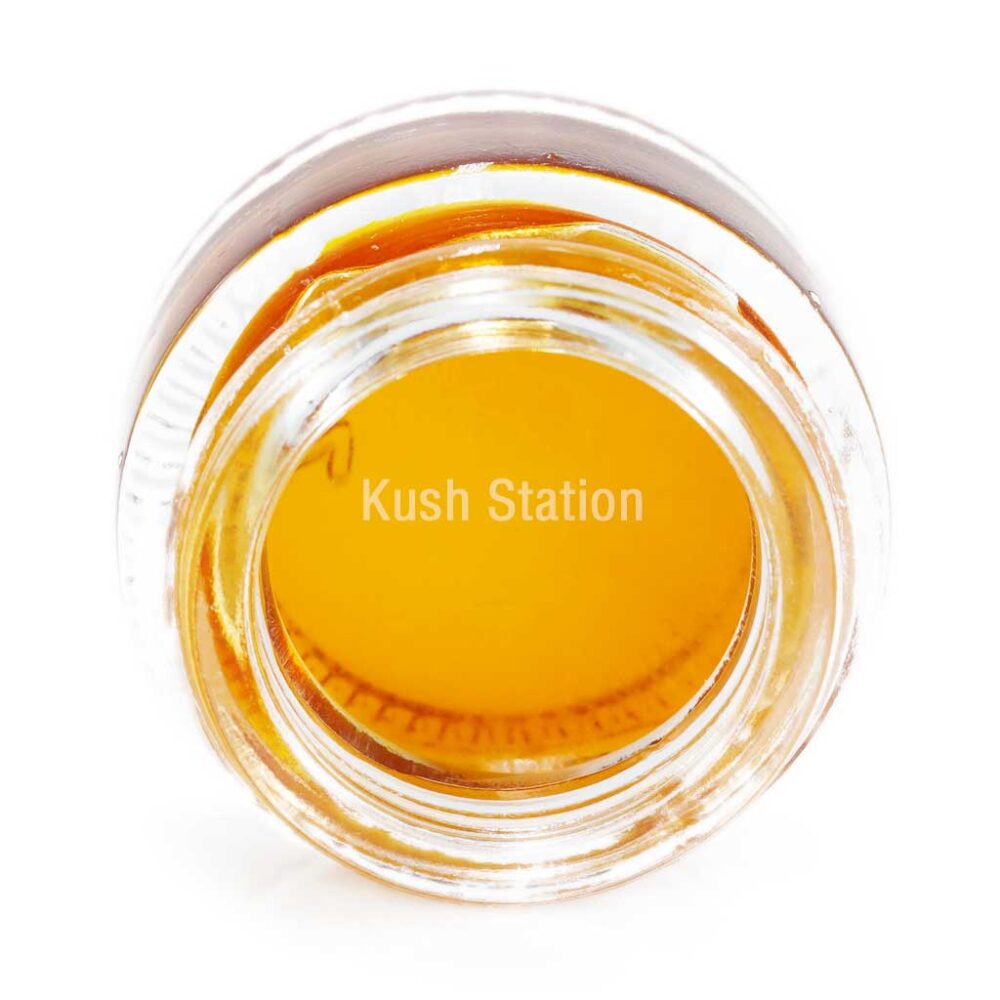
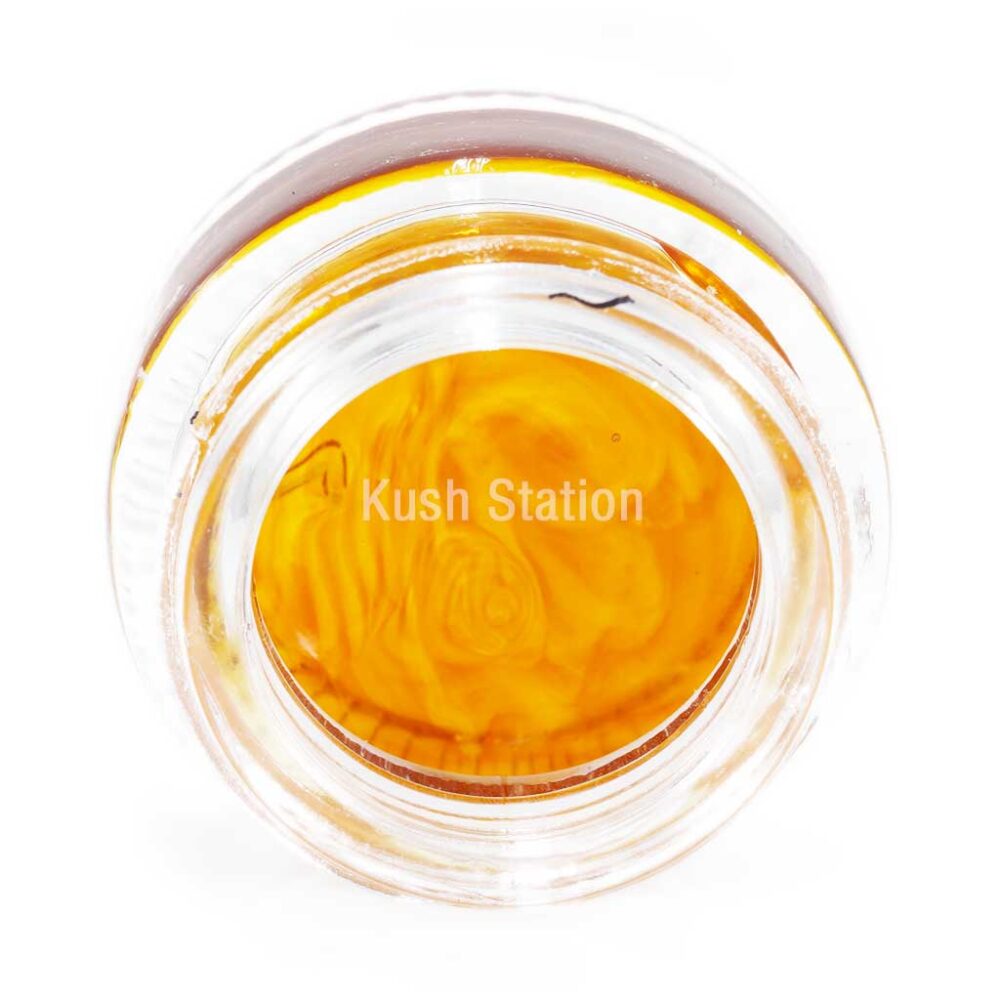
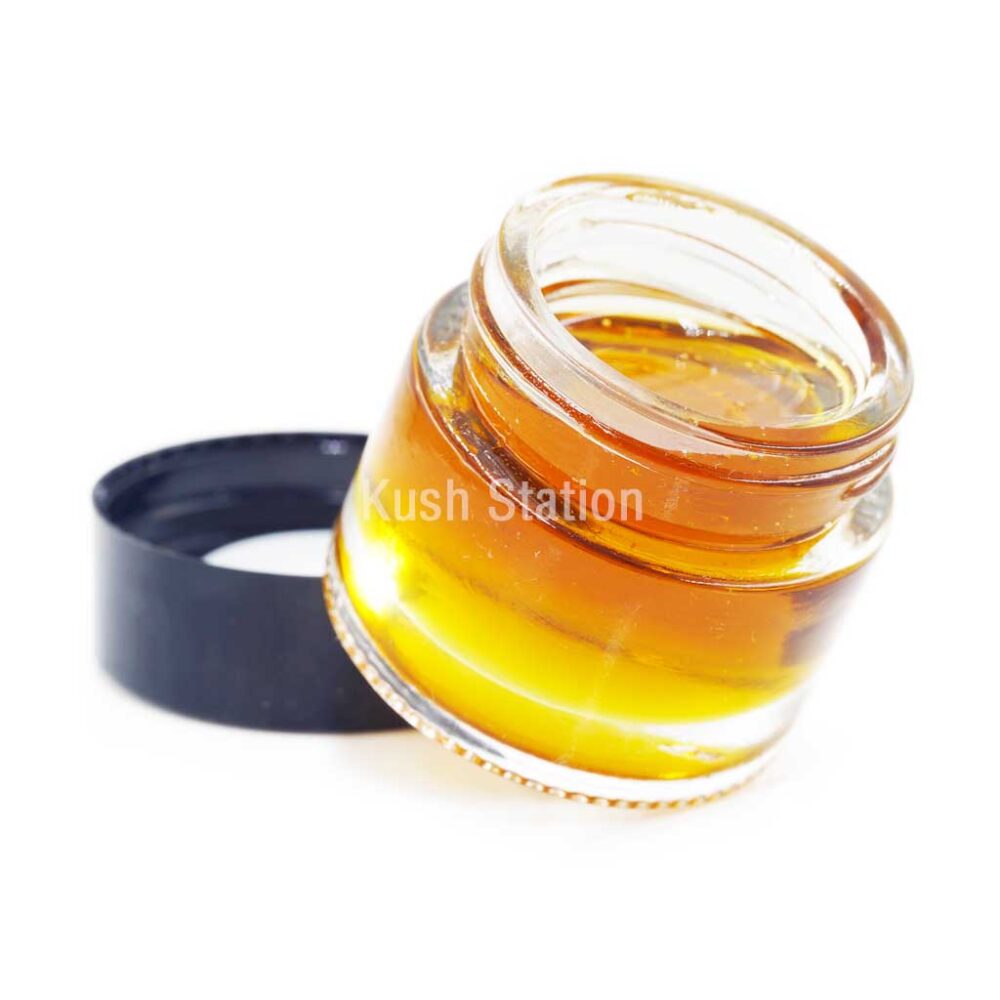
The texture of honey oil can vary from a thick, syrupy liquid to a semi-solid paste depending on the temperature and the specific extraction method used. A good honey oil should be translucent and amber, with a consistency that makes it easy to handle with a dab tool. It should also carry the distinct aroma of the source strain, whether that is a citrusy sativa or a piney indica.
Extraction Methods and Their Impact on Quality
How a concentrate is made matters enormously. Two of the most common methods you will encounter are hydrocarbon extraction and CO2 extraction. Both use solvents, butane, propane, or carbon dioxide, to strip the trichomes from the plant material. When done properly, these methods leave behind minimal residual solvent, and lab testing can confirm that the final product is safe to inhale. Hydrocarbon extraction tends to be more traditional, while CO2 extraction is often praised for producing a cleaner, more flavorful result because CO2 is a non-flammable, inert gas that leaves no trace behind.
On the other end of the spectrum is solventless extraction, which relies on physical separation techniques like ice water agitation or mechanical pressing. Solventless methods produce what is often called live resin or rosin, depending on the process. Because no chemicals are introduced, the resulting concentrate is as close to the original plant as you can get. The trade-off is that solventless extraction typically yields less product per pound of plant material, which drives up the price. But for purists, the flavor and safety profile are worth the extra cost.
When you are choosing between different types of cannabis concentrates, it helps to ask about the extraction method. A reputable seller like KushStation will be transparent about how their honey oil is made, and will provide lab test results that show potency as well as any residual solvent levels. That kind of transparency is rare, and it is a sign that the producer cares about consistency and consumer trust.
Lab Testing: Beyond the Numbers
Lab testing is not just a marketing bullet point. It is the only reliable way to know the cannabinoid content of a concentrate, including the ratio of THC to CBD and other minor cannabinoids like CBG or CBN. These minor compounds contribute to the entourage effect, which is the synergistic interaction between all the cannabinoids and terpenes present. A full spectrum extract that has been lab tested will list these percentages, giving you a clear picture of what to expect from the experience.
Testing also screens for contaminants like pesticides, heavy metals, and residual solvents. For anyone who dabs regularly, this is non-negotiable. Dabbing vaporizes the concentrate at high temperatures, and any impurities present will be inhaled directly into the lungs. A clean lab report is peace of mind that the product is safe. It also indicates that the producer took care during cultivation and processing, which usually translates into better flavor and smoother vapor.
Setting Up Your Dabbing Station
To get the most out of your honey oil or other concentrates, you need the right gear. A basic setup includes a dab rig, which is essentially a water pipe designed for concentrates, and a heating element. The most common heating elements are quartz bangers, which you heat with a torch, and e-nails, which are electronically controlled and maintain a consistent temperature. For those who want the most flavorful hits, a terp slurper is a popular choice. It uses a three-piece design that allows the concentrate to vaporize more evenly, preserving delicate terpenes that would otherwise burn off at higher temperatures.
Temperature control is the single most important variable. If you heat the quartz too hot, you will vaporize the THC quickly but destroy many of the terpenes, resulting in a harsh hit with muted flavor. Too cool, and the concentrate will pool without vaporizing fully. Most experienced dabbers aim for a temperature between 500 and 600 degrees Fahrenheit, depending on the specific extract. A good rule of thumb is to heat the banger until it glows, then let it cool for thirty to sixty seconds before applying the concentrate. With an e-nail, you can set the temperature precisely and skip the guesswork entirely.
Strain Profiles and Flavor
One of the joys of working with high-quality cannabis concentrates is being able to taste the strain profile in a way that smoking flower rarely allows. The terpenes responsible for aroma and flavor, things like limonene, myrcene, and caryophyllene, are preserved in the extraction process and become the star of the show when you dab. A well-made live resin from a strain like Zkittlez will taste exactly like the candy it is named after, with bright fruity notes and a smooth finish. A heavy indica like Granddaddy Purple will deliver earthy, grape-like flavors that linger on the palate.
This is where the term "dabbing extracts" becomes more than just a technical description. It becomes a sensory experience. When you take a low-temperature dab of a full spectrum extract, you are tasting the plant in its most concentrated form. That is why many enthusiasts treat their dabbing sessions like a wine tasting, paying attention to the flavor profile, the mouthfeel, and the duration of the effect.
Practical Tips for Buying Concentrates
If you are new to buying honey oil or other cannabis concentrates, here are a few things to keep in mind:
- Look for lab-tested products. The test results should show cannabinoid percentages and confirm that the product is free of contaminants. A certificate of analysis is the gold standard.
- Ask about the extraction method. Solventless or CO2 extraction generally produce cleaner, more flavorful concentrates compared to older hydrocarbon methods.
- Check the consistency and color. High-quality honey oil should be amber and translucent, not dark or cloudy. It should have a noticeable aroma that matches the strain description.
- Start with a small amount. Concentrates are significantly more potent than flower, especially if you are used to smoking. A grain-of-rice sized dab is enough for most sessions.
Another tip is to store your concentrates properly. Keep them in a cool, dark place in an airtight container. Exposure to heat and light can degrade the cannabinoids and terpenes over time, reducing potency and flavor. A silicone container works well for most consistencies, but glass is preferred for long-term storage because it does not interact with the oil.
The Future of Concentrates
The cannabis concentrate market is evolving fast. New extraction technologies are making it possible to produce full spectrum extracts that retain more of the plant's natural chemistry, while lab testing is becoming more accessible and more detailed. Consumers are increasingly educated about what they are buying, and that is driving demand for transparency and quality. Sites like KushStation that prioritize lab testing and offer a range of strain-specific honey oils are leading the way in setting a higher standard for the industry.
As more people discover the benefits of dabbing extracts, the stigma that once surrounded concentrates is fading. People are realizing that a clean, well-made dab can be one of the most enjoyable and controlled ways to consume cannabis. Whether you are drawn to the intense flavor, the immediate effects, or the efficiency of using less material for a stronger result, there is a lot to explore in this category. And with the right knowledge and the right setup, you can get the most out of every single dab.